Is TMS right for you?
Take our quick screening quiz to see if TMS could be a fit for you.
Takes about 4 minutes

Before you begin
This quiz is for guidance only and is not a diagnosis or a substitute for professional medical advice. Final insurance coverage decisions depend on your insurance company and plan. If you are having thoughts of suicide, call or text 988. In a medical emergency, call 911.
How old are you?
Some clinics offer TMS to teens aged 15 and over.
Treatment for under-18s needs a parent or guardian involved. Ask them to get in touch with us to find out whether we treat patients your age. If you are having thoughts of suicide, call or text 988 – free, confidential support, 24/7. If you are in immediate danger, call 911.
Part 1 of 2 – About You
Have you been diagnosed with depression by a doctor or mental health professional?
Part 1 of 2 – About You
How many different antidepressants have you tried that didn’t help enough?
Common antidepressants include: citalopram (Celexa), escitalopram (Lexapro), sertraline (Zoloft), paroxetine (Paxil), fluoxetine (Prozac), bupropion (Wellbutrin), venlafaxine (Effexor), desvenlafaxine (Pristiq), duloxetine (Cymbalta).
Part 1 of 2 – About You
When taking antidepressants, have you experienced any of the following?
Choose all that apply
Part 1 of 2 – About You
Have you tried talk therapy for a prolonged period without enough improvement?
Part 1 of 2 – About You
Do any of these apply to you?
Choose all that apply
Did you know?
A standard course is 36 sessions over about four to eight weeks, and with insurance that can mean a copay at each visit. Our accelerated protocol fits treatment into six days, but it’s cash-pay. We’ll compare the real numbers for your situation at your evaluation.
Part 2 of 2 – How You’ve Been Feeling
Over the last 2 weeks, how often have you been bothered by…
…little interest or pleasure in doing things?
Part 2 of 2 – How You’ve Been Feeling
Over the last 2 weeks, how often have you been bothered by…
…feeling down, depressed, or hopeless?
Part 2 of 2 – How You’ve Been Feeling
Over the last 2 weeks, how often have you been bothered by…
…trouble falling or staying asleep, or sleeping too much?
Did you know?
TMS works without medication, so nothing enters your bloodstream and the weight changes, sleep disruption and sexual side effects linked to antidepressants aren’t part of it. There’s no anesthesia, you’re awake throughout, and most people carry on with their normal routine. The most common side effect is a mild headache or scalp discomfort early on.
Part 2 of 2 – How You’ve Been Feeling
Over the last 2 weeks, how often have you been bothered by…
…feeling tired or having little energy?
Part 2 of 2 – How You’ve Been Feeling
Over the last 2 weeks, how often have you been bothered by…
…poor appetite or overeating?
Part 2 of 2 – How You’ve Been Feeling
Over the last 2 weeks, how often have you been bothered by…
…feeling bad about yourself, that you’re a failure or that you’ve let yourself or your family down?
Part 2 of 2 – How You’ve Been Feeling
Over the last 2 weeks, how often have you been bothered by…
…trouble concentrating on things, such as reading the newspaper or watching television?
Part 2 of 2 – How You’ve Been Feeling
Over the last 2 weeks, how often have you been bothered by…
…moving or speaking so slowly that other people could have noticed? Or the opposite: being so fidgety or restless that you have been moving around a lot more than usual?
Part 2 of 2 – How You’ve Been Feeling
Over the last 2 weeks, how often have you been bothered by…
…thoughts that you would be better off dead, or of hurting yourself in some way?
Your result
Or call 802-419-0500
Your depression screening score
Based on the PHQ-9, a standard questionnaire used by doctors.
If you are having thoughts of suicide, call or text 988.
You send us a few details through the form. We come back to you to arrange an evaluation and, at the same time, start checking your insurance.
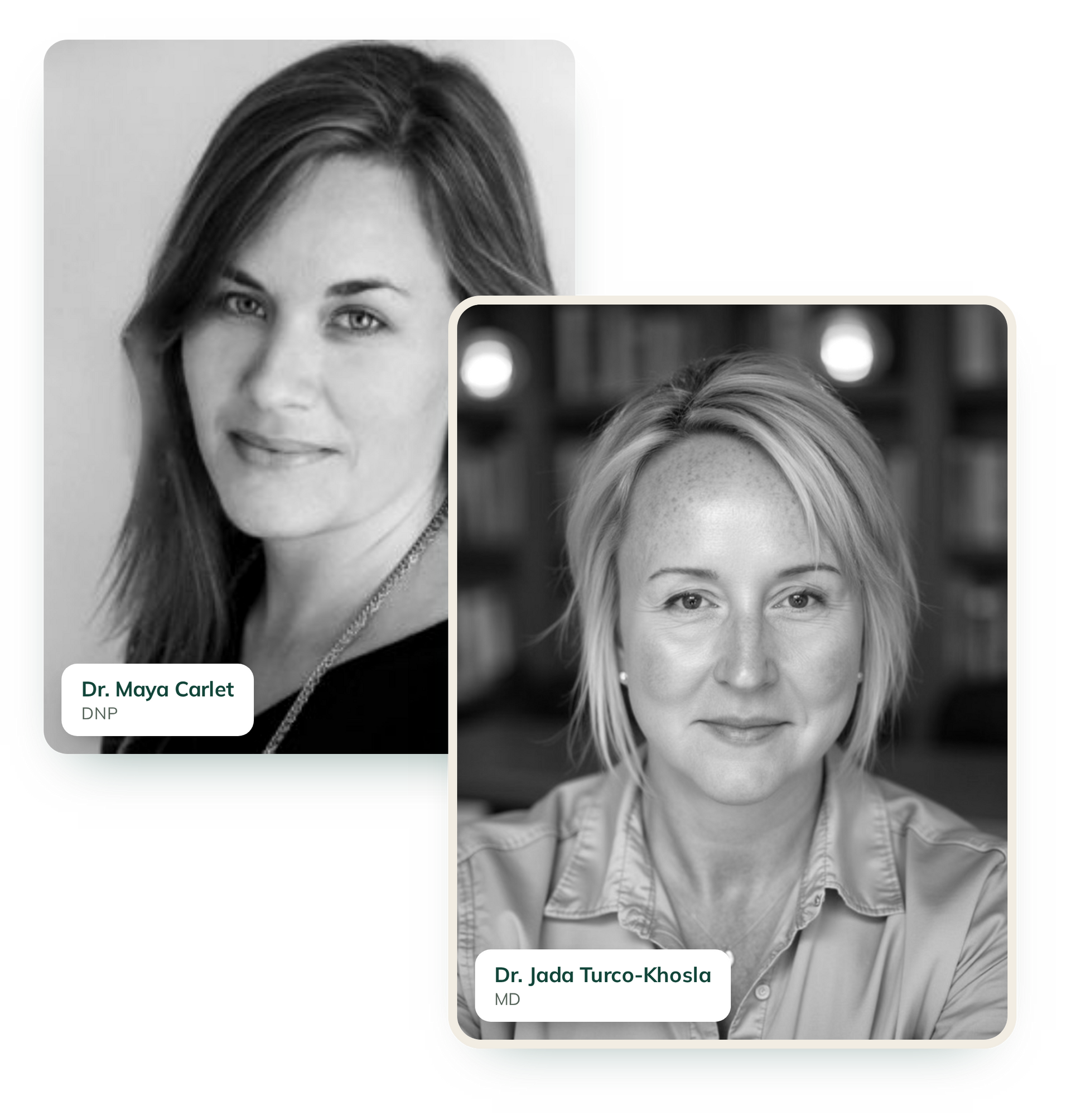
A full clinical evaluation with either Dr. Jada Turco-Khosla, MD Psychiatry or Dr. Maya Carlet, DNP Family Nurse Practitioner.

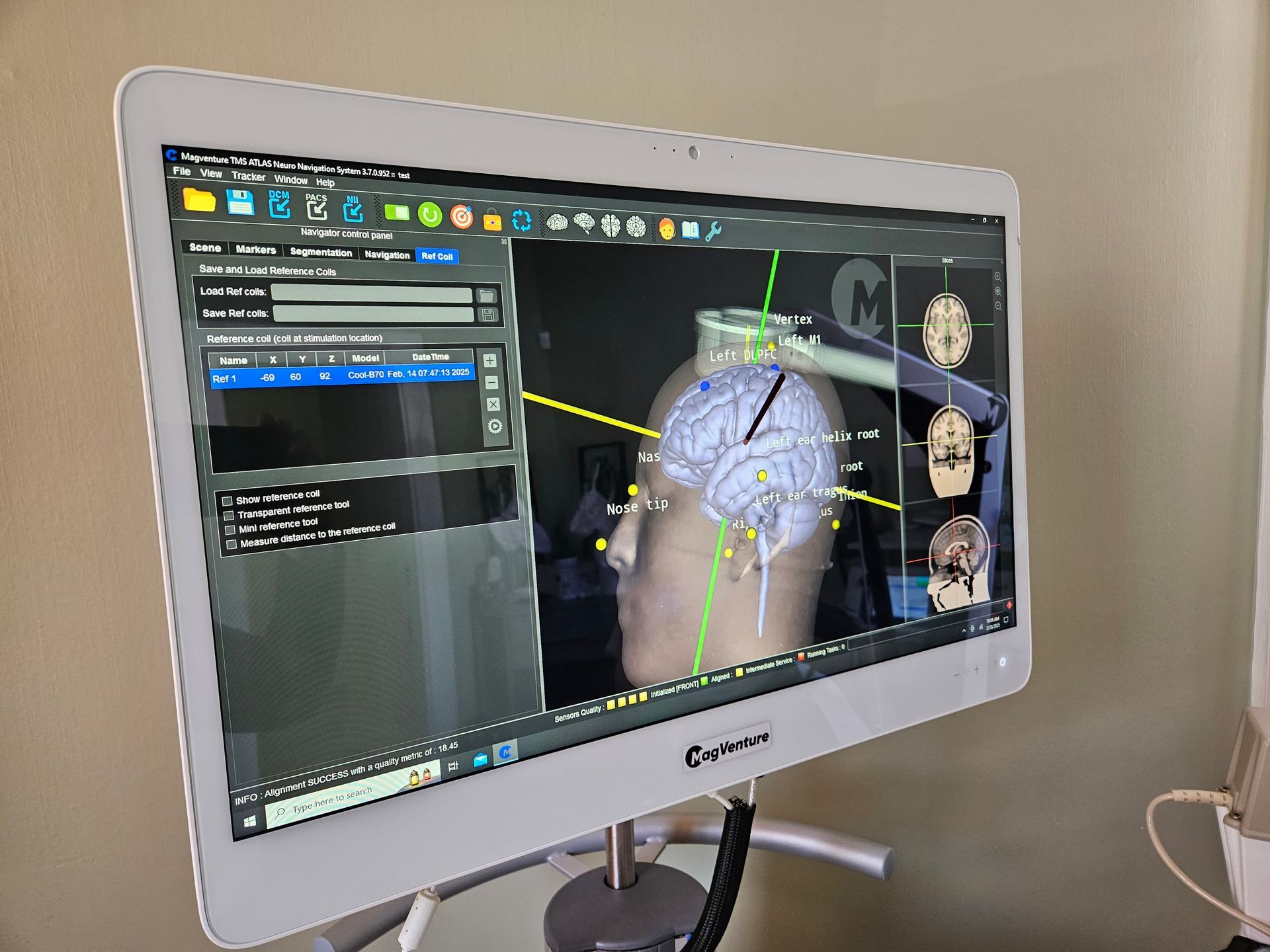
Your clinician will help determine if TMS is appropriate and safe for you, and we verify your insurance so you know your costs up front.
No pressure, and nothing scheduled until you're ready.